The Himalayan Singing Bowl
Origins and Heritage
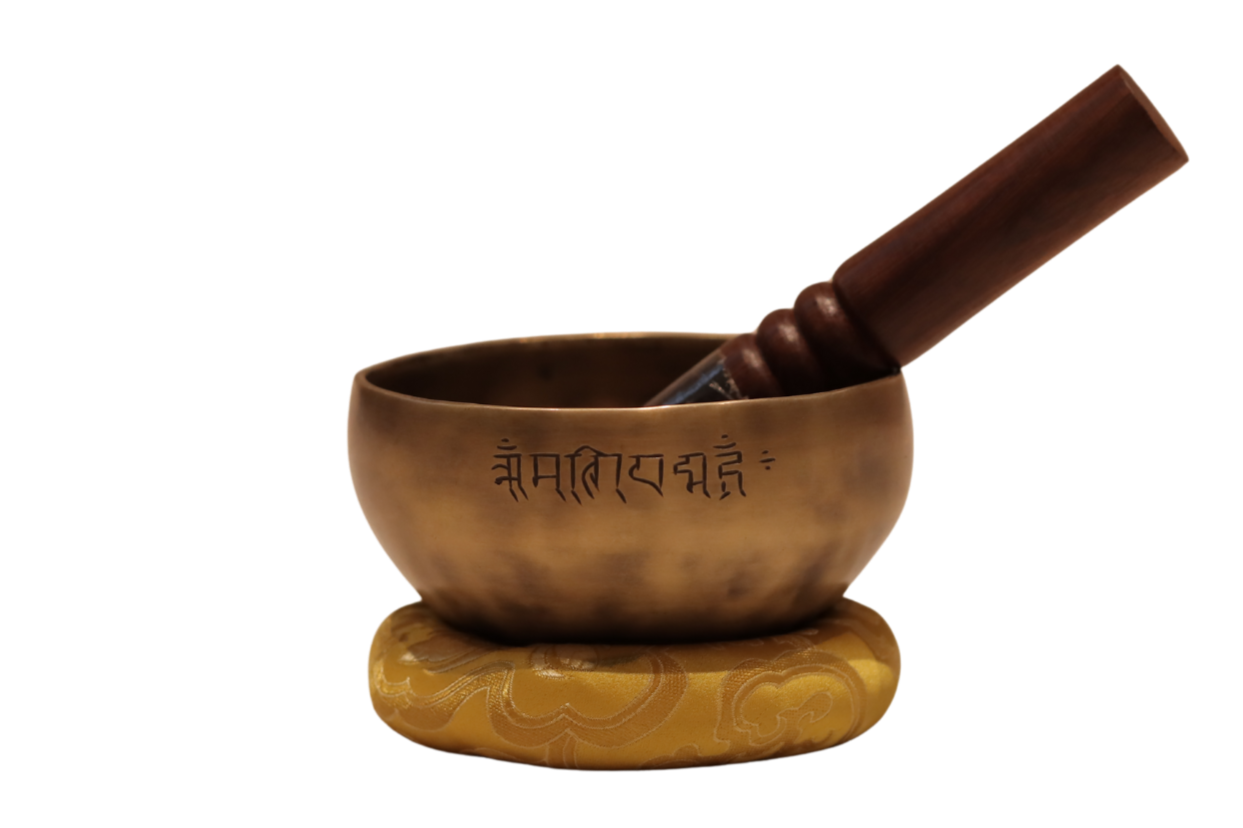
The singing bowl, also known as the Himalayan Singing Bowl or Dhwani Patra (sound bowl), originates from the ancient artistic traditions of the Himalayan region, particularly Nepal.
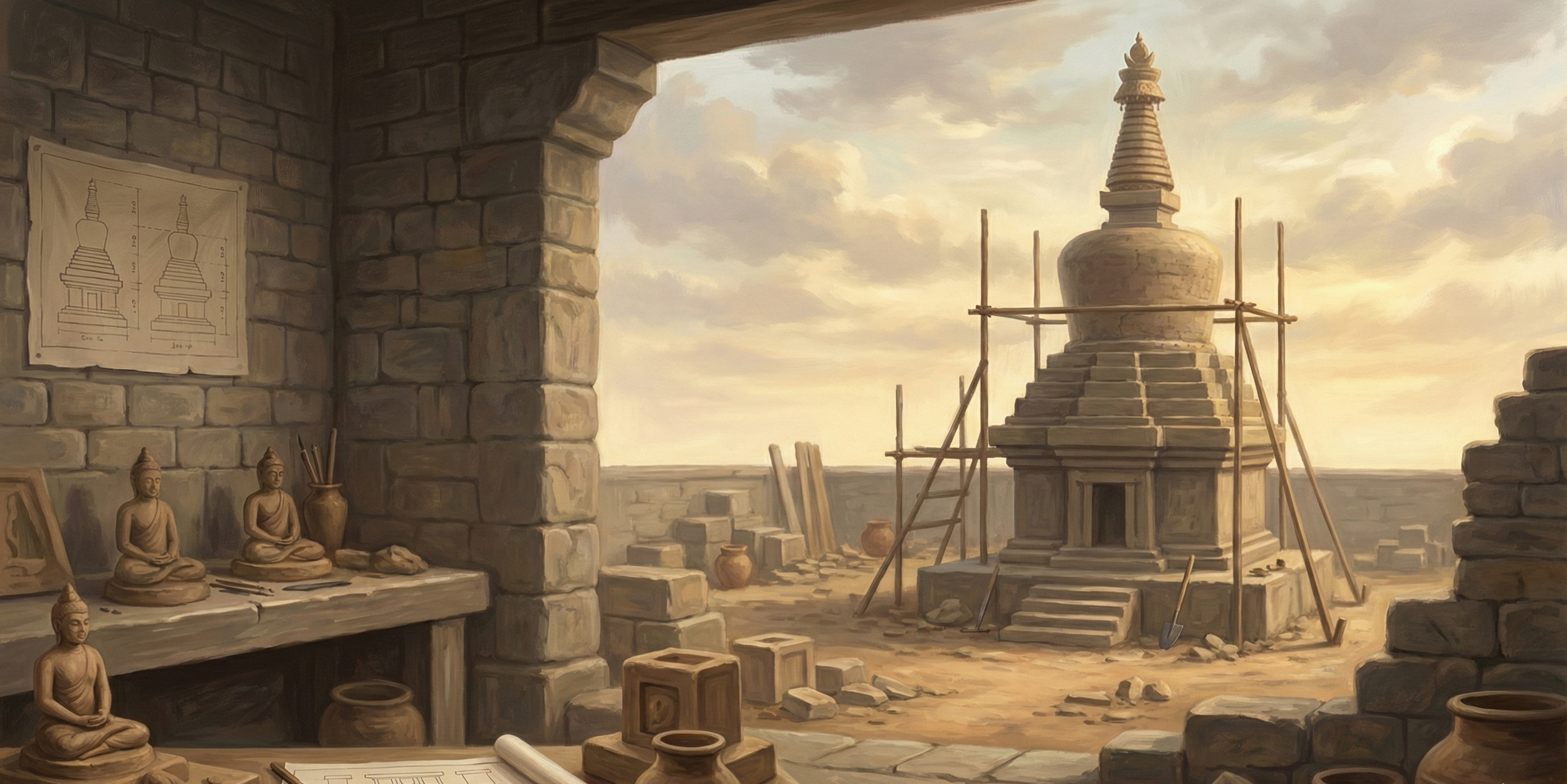

Mastery of Alloy: For centuries, Nepali artisans have been masters of metalwork. This legacy dates back to iconic figures like Araniko (13th century), who spread Nepali craftsmanship to Tibet and the Yuan dynasty court in China.
Evolution from Utility: Historically, metal bowls (called Bata or Ja ne bata) were strictly utilitarian—used for cooking, serving food to pregnant women (for iron intake), or measuring grains.
The Shift: While the craftsmanship is ancient, the specific use of these bowls as "singing" instruments for healing is a specialized evolution. Unlike bells which are struck from the inside, singing bowls produce sound by striking or rubbing the exterior.
How It Works
A singing bowl is crafted from an alloy of at least two or more metals. The sound is produced through vibration and oscillation, creating a rich texture of overtones and harmonics.
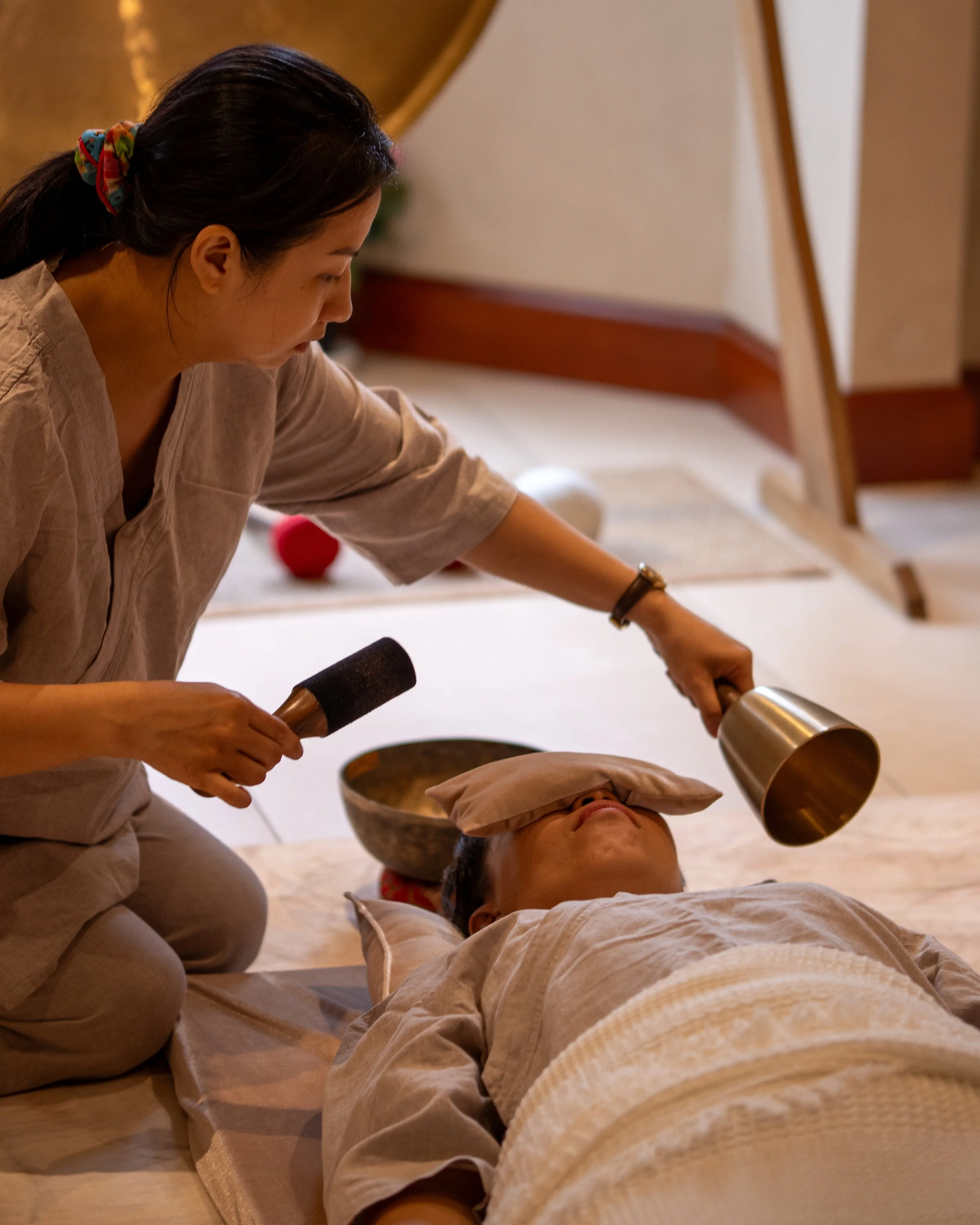
Playing Techniques: They are played by striking with a mallet, fist, or stick, or by rubbing the rim with a wooden stick (sometimes covered in leather/velvet).
Tuning: While bowls have a fixed note, their oscillating nature makes them unique compared to digital tuners. Practitioners often choose bowls by "feeling" and ear rather than rigid musical scales.

Healing and Therapy
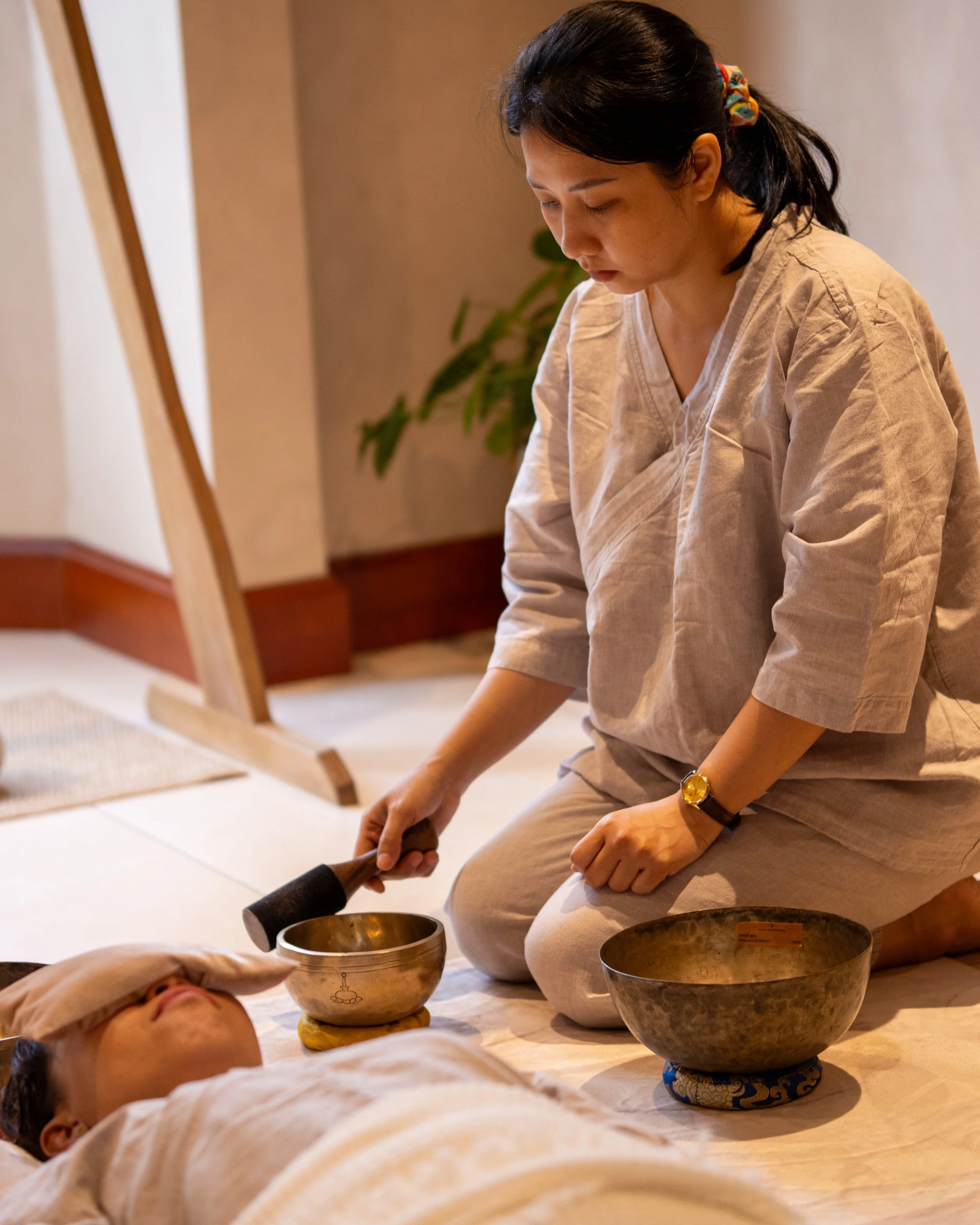
Today, the singing bowl is a global phenomenon used in meditation, yoga, and sound therapy.
Mental Benefits: The sound vibration induces a sense of calm and peace, helping to neutralize external disturbances and focus the mind.
Physical Benefits: According to traditional practitioners like Santa Ratna Shakya, the vibrations can stimulate blood vessels, lymph nodes, and nerves, aiding in muscle relaxation and the release of blockages.
Modern Usage: Beyond healing, they are used in musical compositions, fusion music, and as a tool for "cosmic connection."